
85% of people step into leadership roles without any formal training.
That means your managers are likely improvising—and so is your culture.
While most organ...

By Dr. Christine Fonner
In a world increasingly fractured by systems of power and performance, we are being called to lead differently. My doctoral research has explored the deep and damaging impacts of toxic executive leadership on women in professional settings, particularly how such environments...

By Dr. Christine Fonner
85% of people step into leadership roles without any formal training.
That means your managers are likely improvising—and so is your culture.
While most organ...

By Dr. Christine Fonner
Let’s start with what we already know in our bones: toxic leadership hurts. But what does that actually look like? How does it show up in the day-to-day experiences of women leaders? And what are the lon...

By Dr. Christine Fonner
Ever feel like your hands are tied at work? Like decisions are made from above, and all you can do is nod along? That’s the frustration of confusing non-negotiables with negotiables. But here’s the good news: while some things are set in stone, there’s actually a lot more fl...
By Dr. Christine Fonner
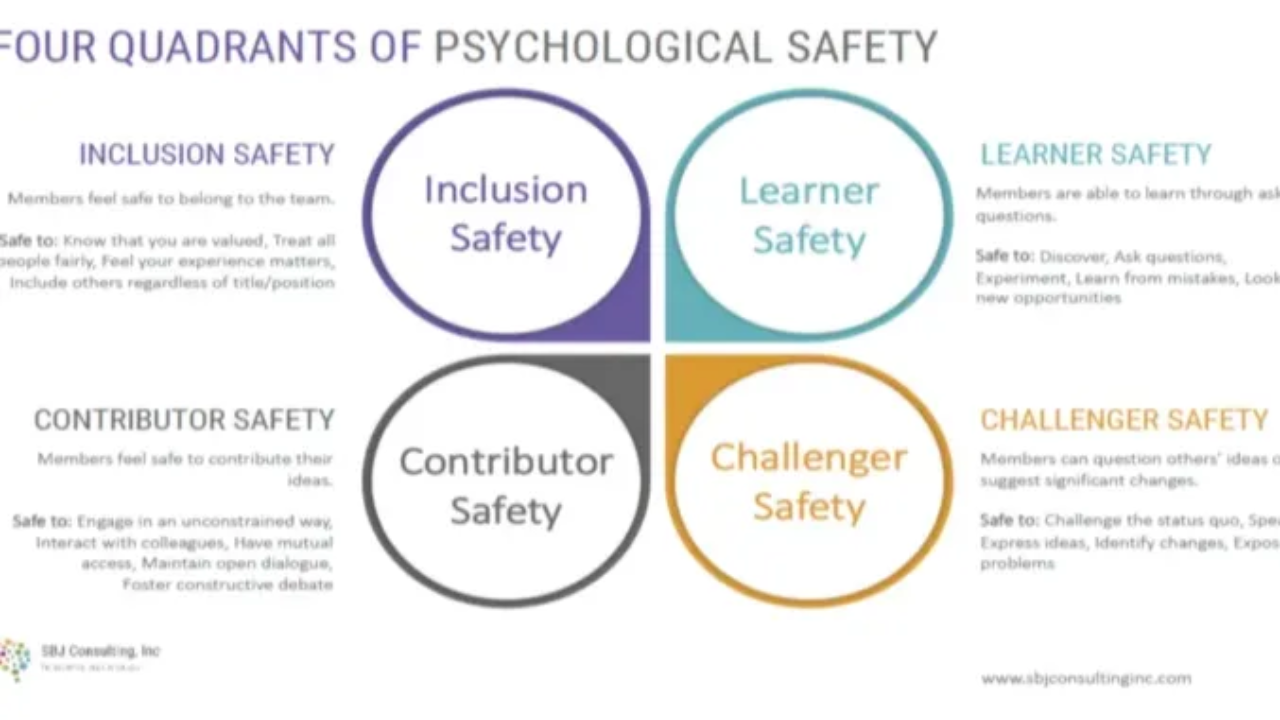
Leadership is so much more than just giving orders or trying to get things done—it’s about influencing every level of an organization. Effective leadership starts with creating an environment of psychological safety, which allows teams to share ideas freely and take calculat...
By Dr. Christine Fonner
How can each of us make more than just a ripple of change…how do we create a new system?
It’s hard to feel like we can make a difference when there is so much telling us it is impossible. The power dynamic in our world today is…daunting.
Call me crazy but I think that we a...
By Dr. Kristine Medyanik
Hello friends! Dr. K here, ready to chat about an unexpected but insightful topic—what meatballs have to do with our leadership practice. Now, I know this might sound a bit unconventional (but hey, that’s my thing!), so let’s dig in.
When it comes to leading a team, much l...

By Dr. Kristine Medyanik
In today’s workforce, we have the unique challenge—and opportunity—of leading multiple generations, each shaped by distinct experiences, values, and world events. From the Silent Generation to the emerging Alpha Generation, understanding these generational differences is es...

By Dr. Christine Fonner
In recent years, I’ve been delving deep into Maslow’s Hierarchy of Needs, and I’ve come to an important conclusion: we’re doing it all wrong.
When we think of Maslow’s pyramid, we often see it as a rigid, step-by-step framework for human motivation. Basic physiological need...

By Dr. Christine Fonner
and emotions? A great place to start is by considering Maslow’s Hierarchy of Needs. This model suggests that we need to meet our basic needs (like food, safety, and belonging) before we can experience more profound feelings of satisfaction, joy, and emotional fulfillment.

By Dr. Kristine Medyanik
Let’s talk about leadership. No, not the kind where you’re constantly breathing down your team’s necks, making sure they’re crossing every “t” and dotting every “i.” We’re talking about the kind of leadership where you set the stage, provide the tools, and then step aside s...

By Dr. Kristine Medyanik
In today’s fast-paced and ever-changing business environment, psychological safety has become a crucial element for fostering a healthy and productive workplace. When employees feel safe to express their thoughts, share ideas, and admit mistakes without fear of retribution,...

Real Topics. Real Teams. Real Results.
Submit the form below and we will send you everything you need to know about our full list of wrap-around services and options, including how we work, what we cover, and what the investment typically looks like.